

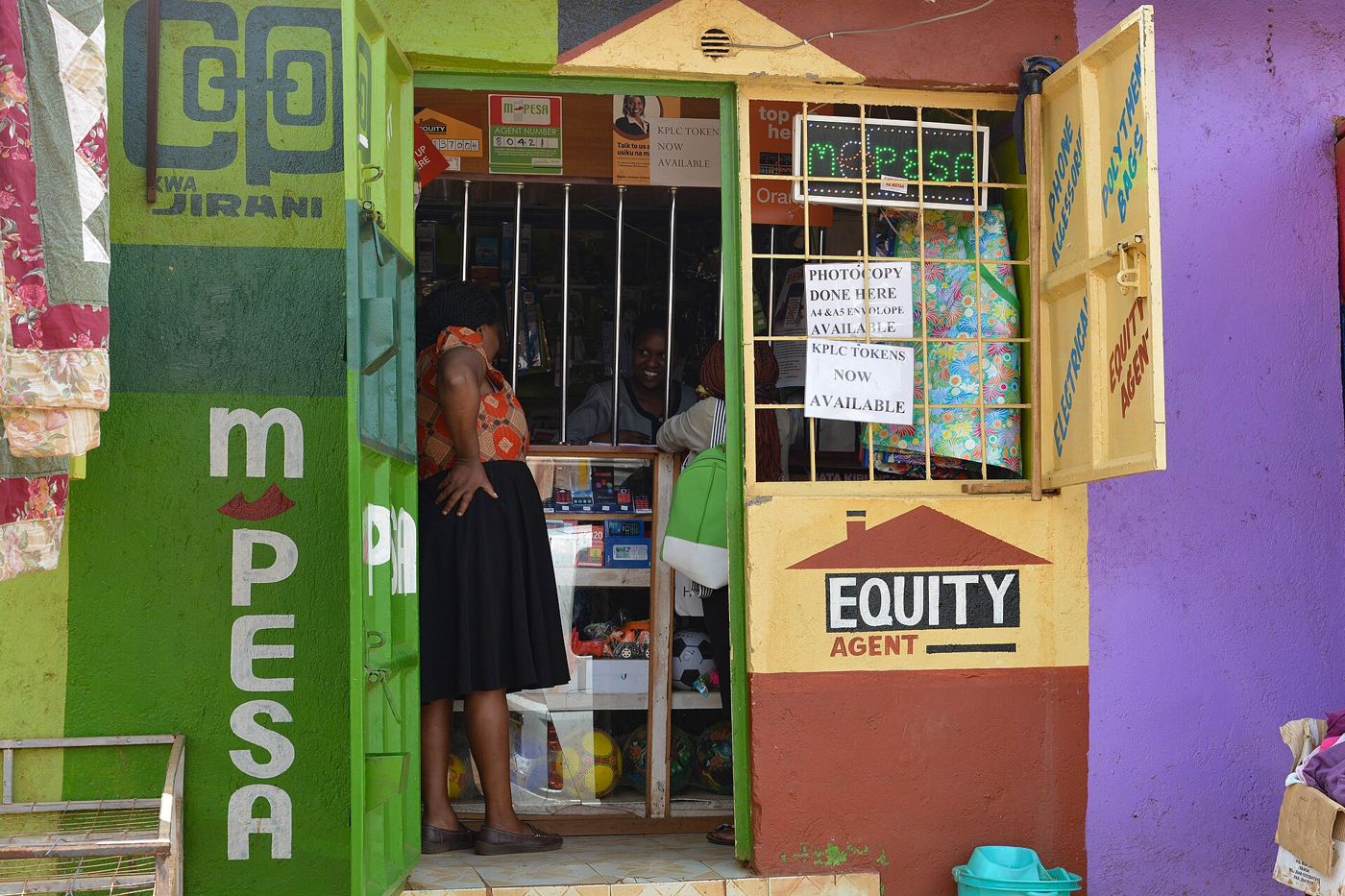
Kenya’s love affair with financial technology began with a simple idea: let people send money by text message. Mobile money transformed the country, bringing basic financial services to millions who had never held a bank account, and it turned Nairobi into one of Africa’s most closely watched technology hubs. Nearly two decades on, a second wave is under way. Startups are building lending, savings, insurance and cross-border trade tools on top of the rails that mobile money laid, and the story anchors much of our business coverage.
The foundation is unusually strong. Mobile money accounts outnumber bank accounts, agent networks reach deep into rural areas, and paying by phone is so ordinary that street vendors, matatu crews and farmers treat it as the default. The Central Bank of Kenya has reported mobile money transaction values running into the trillions of shillings annually — a scale that gives new financial products an instant distribution network most countries cannot offer.
The Startup Layer Built on Mobile Rails
The new generation works in the gaps the first wave left. Digital lenders score borrowers from phone and transaction data rather than payslips. Savings apps sweep small amounts into money market funds from a phone menu. Insurers sell micro-policies — for crops, health, or a boda boda rider’s bike — priced in daily premiums. Payments companies help Kenyan merchants sell across East Africa and settle in local currencies, while remittance startups cut the cost of money sent home from abroad.
Investors noticed early. Nairobi’s “Silicon Savannah” has drawn venture funding out of proportion to the country’s size, and research by the World Bank and others credits Kenya’s regulator with a comparatively open stance: let new services launch, watch them, and regulate as they scale. That stance made Kenya a testbed whose successes are exported across the continent.
The Growing Pains: Debt, Fraud and Regulation
Success has brought scrutiny. Easy digital credit left some borrowers juggling multiple loans, prompting the central bank to license digital lenders and impose conduct rules. Fraud — from SIM-swap scams to social engineering — has pushed providers to invest heavily in verification and customer education. Data protection rules now shape how the transaction data that powers credit scoring may be used.
Consolidation is also under way, as early excitement gives way to a harder test: which of these companies can build durable, profitable businesses at Kenyan price points? Mergers, pivots and quiet shutdowns have thinned the field, even as the strongest firms expand regionally, a maturation our economics reporting follows closely.
What Comes Next for Kenyan Fintech
The frontier is moving from consumers to the economy’s plumbing: credit for small businesses that still cannot borrow against their digital sales records, digital tools for farmer cooperatives, and interoperability between mobile money, banks and regional payment systems so that money moves across East Africa as easily as it moves across town. Open banking standards, now taking shape, could let customers share their financial data with whichever app serves them best.
Kenya’s fintech story matters beyond its borders because it demonstrates a different route to financial inclusion — phones first, banks later, services layered as the market matures. The first wave proved Kenyans would trust money on a handset. The second wave is deciding what that trust is worth, and how far it can carry an economy.
