

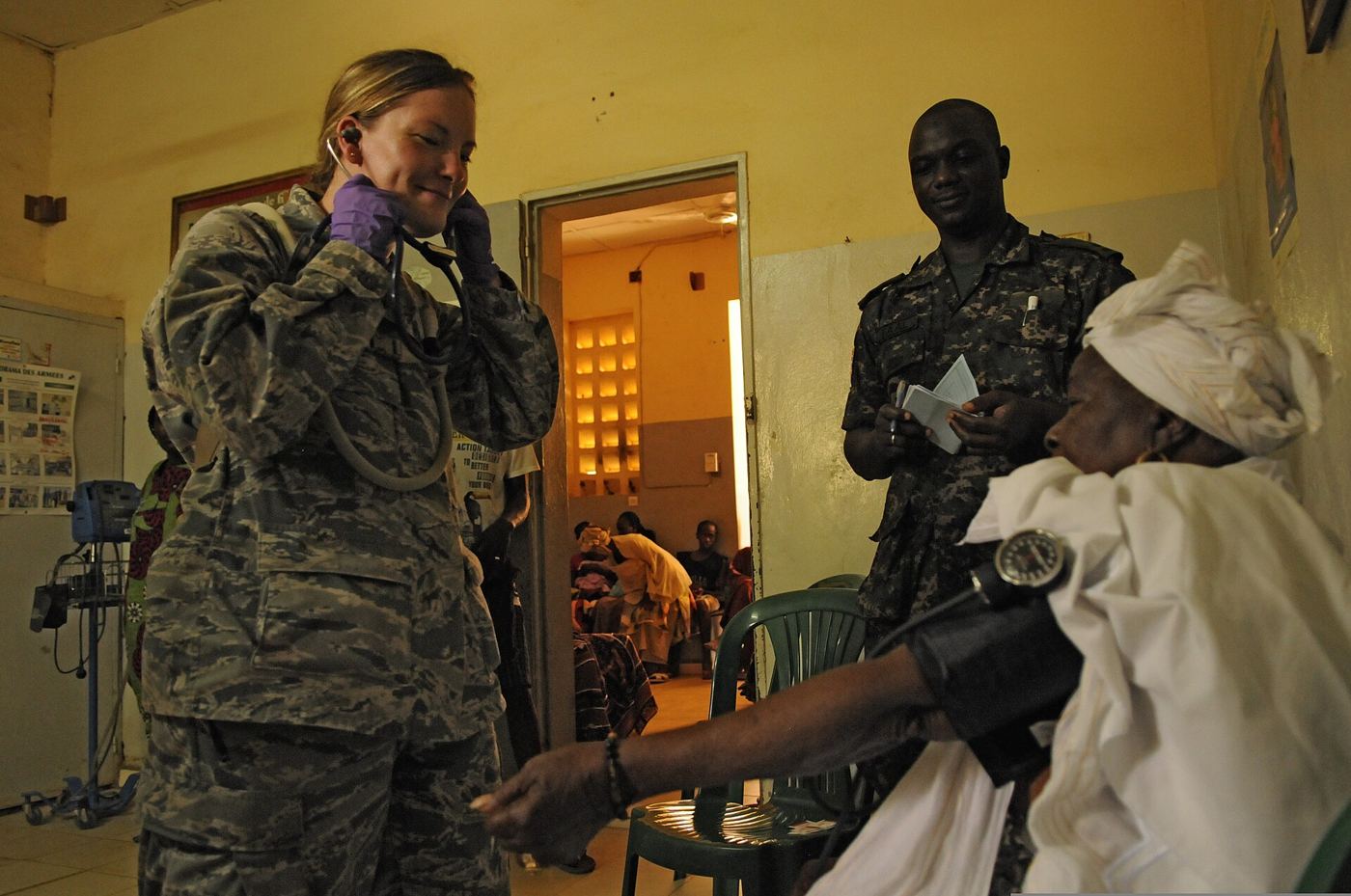
Free blood pressure checks in community pharmacies are identifying thousands of adults with undiagnosed high readings, many of whom had no symptoms and no reason to suspect a problem. High blood pressure rarely causes pain or obvious signs, yet it steadily raises the risk of stroke, heart disease and kidney damage when left untreated. Pharmacists say the walk-in checks take only a few minutes and are reaching people who rarely visit a GP, including shift workers and younger men. Anyone with a raised reading is offered a follow-up, sometimes with a home monitor to confirm the pattern over several days before treatment decisions are made. The programme is being described as simple prevention with an unusually clear payoff. The service is part of a wider shift toward prevention in neighbourhood settings, where blood pressure, cholesterol and diabetes risk can be assessed without an appointment in places people already visit weekly. Pharmacies in areas with higher rates of heart disease are offering extended hours for checks, and some are working with community groups to run sessions in workplaces, sports clubs and places of worship to reach residents who rarely use formal health services.
What the Evidence Shows
Doctors emphasise that a single high reading does not automatically mean medication, because anxiety, caffeine, pain and rushing to the appointment can all push numbers up temporarily. Confirmed high blood pressure is usually managed with a combination of lifestyle changes and, where needed, well-tested medicines. Reducing salt, staying active, limiting alcohol and stopping smoking all help, and small sustained falls in blood pressure translate into meaningful reductions in risk over time. Health services are encouraging adults over forty, and younger people with a family history, to accept a check when offered rather than waiting for symptoms that may never arrive. Public health teams say follow-through matters as much as detection, so results are shared promptly with GP practices and patients receive clear written advice about next steps. People found to be at high risk are prioritised for review, while those with borderline readings are invited back for repeat checks. Over time, organisers hope these small encounters will prevent emergencies, reduce hospital admissions and narrow the health gap between wealthier and poorer communities. Reporting and analysis from sources such as The Lancet track the same developments, and specialists following pharmacy blood pressure checks say the direction is now consistent across independent lines of evidence.
The Wider Context
Equity runs through every discussion of pharmacy blood pressure checks. Interventions that require apps, fees or free weekday afternoons reliably reach the people who need them least, so the programmes earning praise are those designed around clinics, workplaces and community venues that already serve everyone. Evaluation reports now publish uptake by income and region as a matter of routine.
What Happens Next
The practical takeaway on pharmacy blood pressure checks is deliberately unglamorous: it works best as part of ordinary, well-delivered care rather than as a standalone fix. Health services are planning on that basis, building the referral routes and follow-up that turn a promising result into population benefit. The gains arrive slowly and then, in the statistics, unmistakably. You can follow related developments in our coverage of health.
It is also worth remembering how quickly the picture in this area has changed before. Positions that looked settled a few years ago have been revised as new data arrived, and the same humility is appropriate now. The strongest coverage of this subject, and the most useful advice, tends to come from sources that update their views openly when the facts move, rather than defending an earlier position long after it has stopped fitting the evidence available.
