

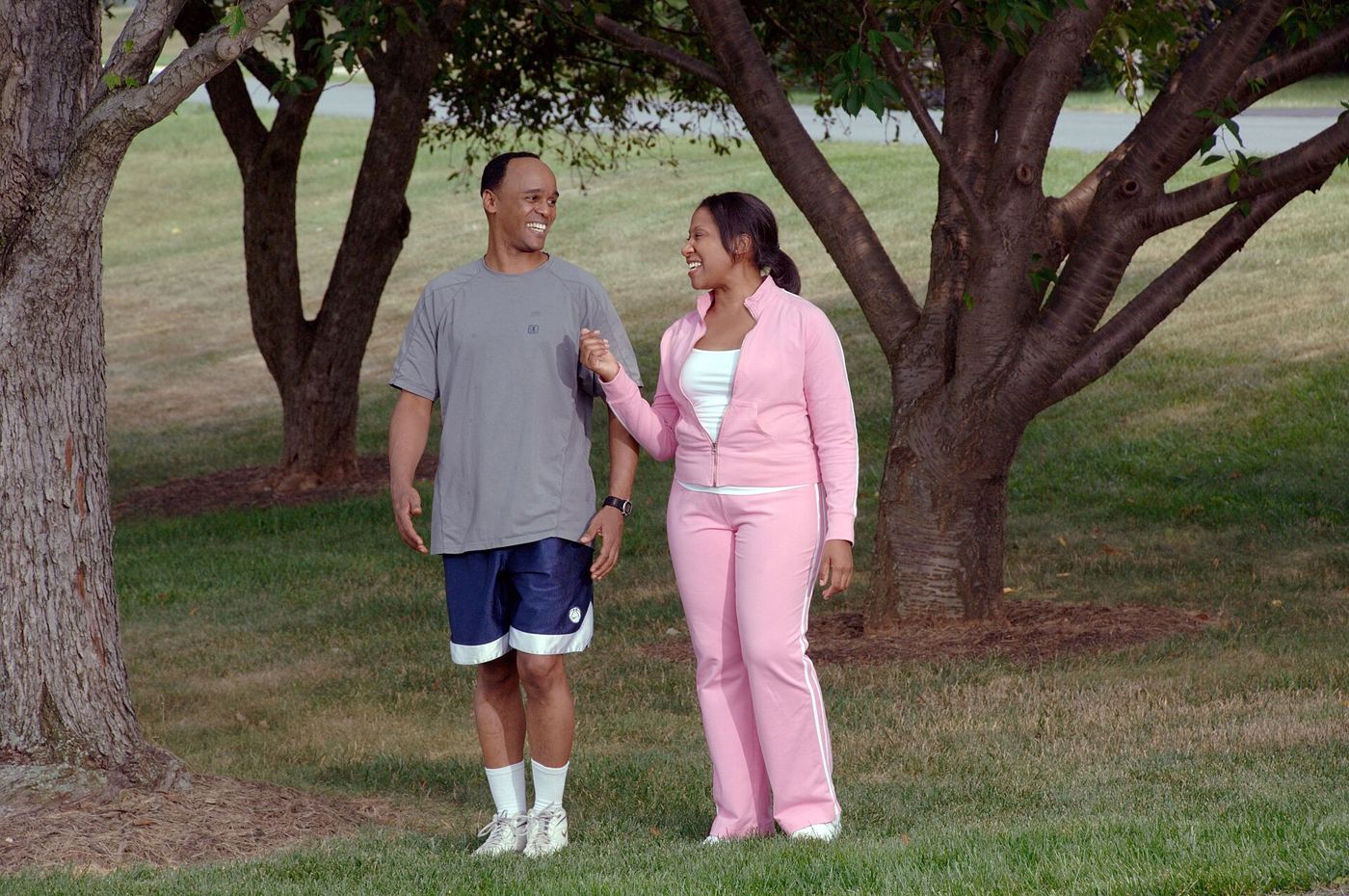
A short walk after eating is gaining attention as a simple way to soften the rise in blood sugar that follows a meal, and the evidence behind it is growing. When food is digested, glucose enters the blood and usually peaks within an hour or two, and gentle movement helps muscles take up that glucose without needing as much insulin. In a trial of 41 adults with type 2 diabetes, walking for ten minutes after each main meal lowered the after-meal glucose rise by about 12 percent compared with a single thirty-minute walk at another time of day, with a larger effect after dinner. Reviews of several trials have found the same pattern, and the American Diabetes Association advises breaking up long periods of sitting, even if it does not prescribe a walk after every meal. Researchers also note that the benefit is largest after the biggest meal of the day, which for many people is dinner, when activity levels are otherwise at their lowest.
What the Evidence Shows
The habit is easy to adopt because it requires no equipment and only a few minutes. Starting within about half an hour of finishing a meal and walking at a comfortable pace for ten to fifteen minutes is enough for most people, and even a shorter stroll helps. It works best as part of a wider routine of regular activity, balanced meals and, where needed, prescribed medicine, rather than as a replacement for treatment. People who take insulin or medicines that can cause low blood sugar should speak to their clinician before changing their routine, since activity affects glucose levels. For many others, a post-meal walk is a practical, low-cost habit that turns a normal part of the day into a small but real step for metabolic health. The advice is particularly relevant in winter, when shorter days and cold weather can make people less active and more likely to sit for long stretches after eating. Reporting and analysis from sources such as The Lancet track the same developments, and specialists following post-meal walking say the direction is now consistent across independent lines of evidence.
The Wider Context
Equity runs through every discussion of post-meal walking. Interventions that require apps, fees or free weekday afternoons reliably reach the people who need them least, so the programmes earning praise are those designed around clinics, workplaces and community venues that already serve everyone. Evaluation reports now publish uptake by income and region as a matter of routine.
What Happens Next
The practical takeaway on post-meal walking is deliberately unglamorous: it works best as part of ordinary, well-delivered care rather than as a standalone fix. Health services are planning on that basis, building the referral routes and follow-up that turn a promising result into population benefit. The gains arrive slowly and then, in the statistics, unmistakably. You can follow related developments in our coverage of health.
It is also worth remembering how quickly the picture in this area has changed before. Positions that looked settled a few years ago have been revised as new data arrived, and the same humility is appropriate now. The strongest coverage of this subject, and the most useful advice, tends to come from sources that update their views openly when the facts move, rather than defending an earlier position long after it has stopped fitting the evidence available.
