

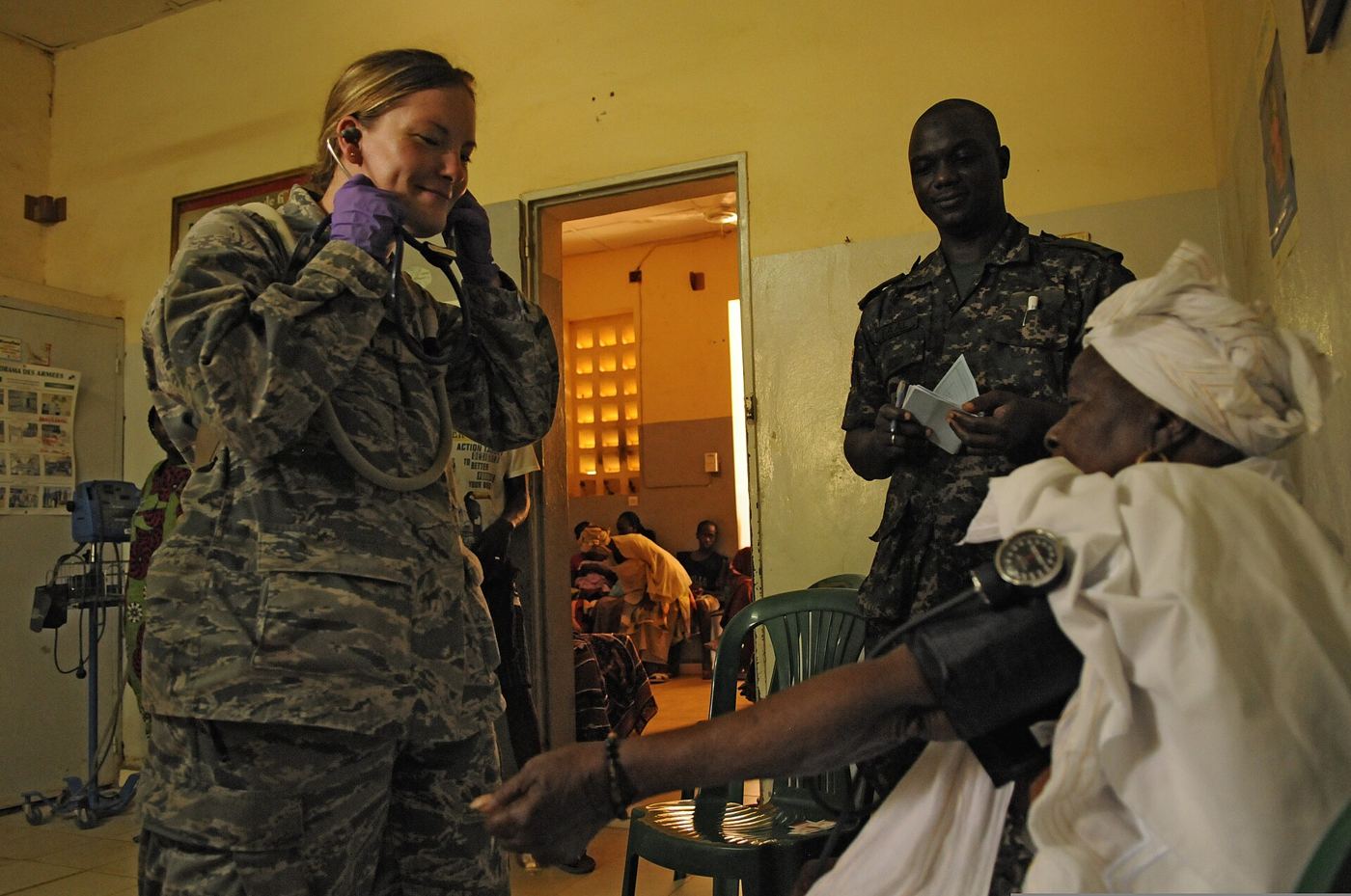
Blood pressure checks at home are helping patients take control of heart health, turning a number once measured only at the clinic into something people can follow week by week. High blood pressure rarely causes symptoms, which is why it is often called a silent condition, yet over time it raises the risk of stroke, heart attack and kidney disease. Home monitors, now widely available and relatively affordable, let patients see how their pressure changes with rest, exercise, salt and stress, and give doctors a fuller picture than a single reading taken in a busy surgery. Clinicians say the readings are most useful when taken correctly: seated, rested for a few minutes, with the cuff at heart level and the feet flat on the floor. Pharmacists can also help, checking that a home monitor is accurate, demonstrating the correct cuff position and explaining which readings should prompt a call to the doctor or nurse promptly.
What the Evidence Shows
Doctors advise patients to take readings at the same time of day, record them in a notebook or app, and bring the results to appointments rather than relying on memory. A single high reading is not a reason to panic, since pressure varies naturally, but a pattern of raised readings over several weeks deserves a conversation with a clinician. Lifestyle changes make a real difference: less salt, regular walking, a healthy weight and cutting back on alcohol all help, and many people can reduce their pressure substantially without new medicine. Anyone on blood pressure treatment should not stop it without medical advice, even if home readings look good. Used carefully, a home monitor turns an invisible risk into something visible, manageable and shared with the doctor. Stress plays a part, and many patients notice higher readings during difficult weeks, which is why doctors look at the overall pattern rather than one number. Reporting and analysis from sources such as The Lancet track the same developments, and specialists following home blood pressure monitoring say the direction is now consistent across independent lines of evidence.
The Wider Context
Equity runs through every discussion of home blood pressure monitoring. Interventions that require apps, fees or free weekday afternoons reliably reach the people who need them least, so the programmes earning praise are those designed around clinics, workplaces and community venues that already serve everyone. Evaluation reports now publish uptake by income and region as a matter of routine.
What Happens Next
The practical takeaway on home blood pressure monitoring is deliberately unglamorous: it works best as part of ordinary, well-delivered care rather than as a standalone fix. Health services are planning on that basis, building the referral routes and follow-up that turn a promising result into population benefit. The gains arrive slowly and then, in the statistics, unmistakably. You can follow related developments in our coverage of health.
It is also worth remembering how quickly the picture in this area has changed before. Positions that looked settled a few years ago have been revised as new data arrived, and the same humility is appropriate now. The strongest coverage of this subject, and the most useful advice, tends to come from sources that update their views openly when the facts move, rather than defending an earlier position long after it has stopped fitting the evidence available.
