

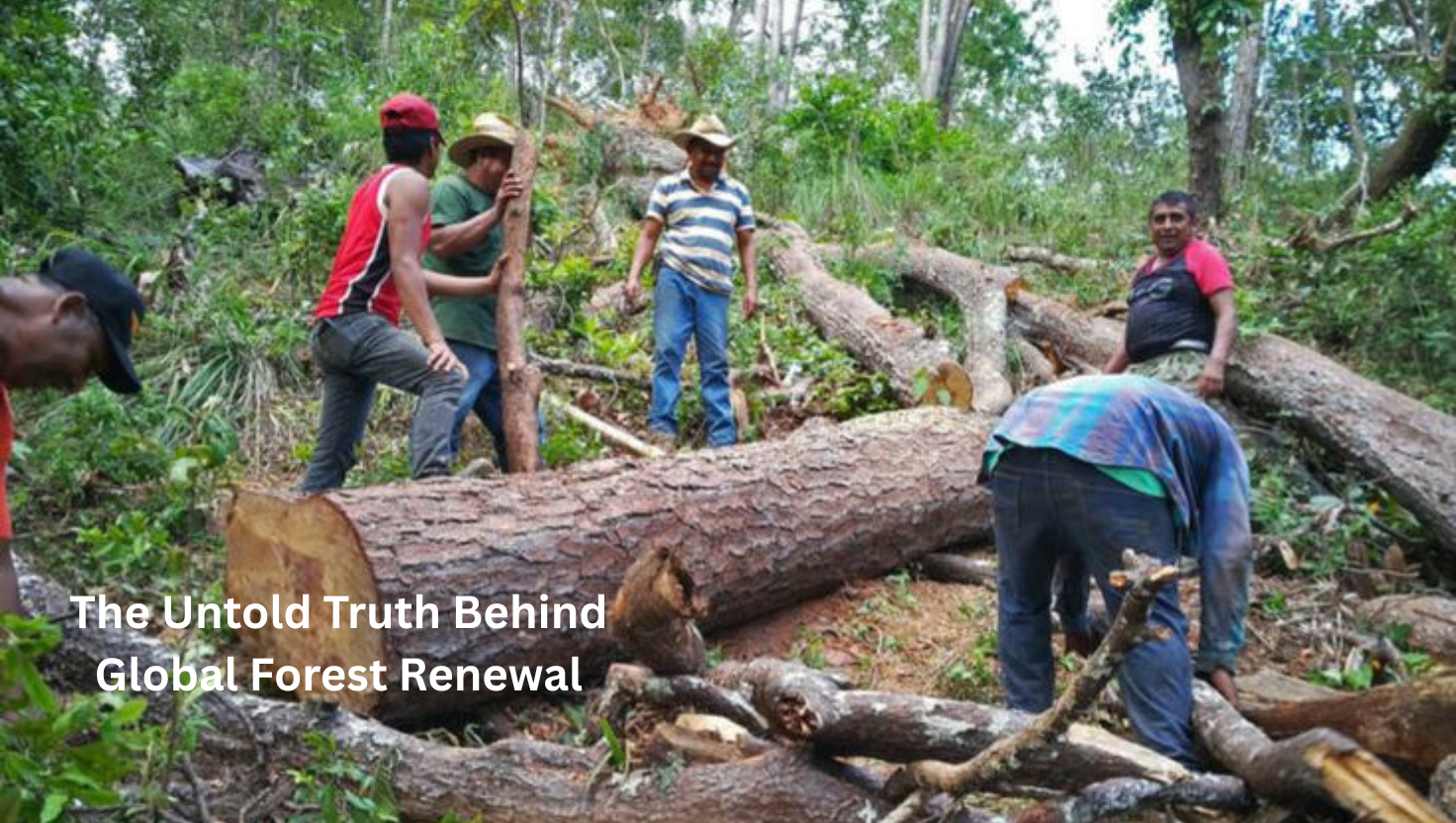
KenyaReport. is here to reveal what no one is talking about — the powerful and fascinating truth behind global forest renewal. Forests are far more than just clusters of trees; they are living, breathing systems that sustain life on Earth. But there’s a hidden story behind how forests recover, regenerate, and fight back against destruction. In a world where climate change is at the forefront of every conversation, understanding how forests renew themselves — and how we can help — is critical. This isn’t just a science topic; it’s about the survival of our planet, our economy, and future generations.
Why Forest Renewal Matters More Than Ever
Forests cover about 31% of the Earth’s surface, but their importance goes far beyond the numbers. They act as natural carbon sinks, purifying the air, protecting biodiversity, and even influencing weather patterns. Global forest renewal is essential for maintaining balance in ecosystems that are under immense pressure.
The Forest as a Global Life Support System
Every forest is part of a global network that regulates temperature, water cycles, and oxygen production. When one part of the network weakens, it affects the entire system — including human lives.
The Crisis We Are Facing
Despite international agreements, deforestation is still happening at alarming rates. The good news? Nature is resilient. The process of renewal is happening even in places once thought lost, but it needs our support to succeed.
The Hidden Science of Renewal
The process of forest renewal is a perfect mix of biology, ecology, and time.
How Seeds Bring Life Back
Seeds are tiny powerhouses of life. Whether they are spread by wind, water, or animals, they are the starting point of every forest’s comeback story. When they find fertile soil, they begin the cycle of renewal that can transform barren land into a thriving habitat.
Soil — The Unsung Hero
Healthy soil is packed with microorganisms that break down organic matter into nutrients. This makes it possible for young saplings to grow strong. Without fertile soil, renewal cannot begin.
The Role of Fire and Storms
While natural disasters seem destructive, they can actually speed up renewal. Fires clear away dead vegetation, and storms can create open areas where sunlight reaches the ground, allowing new growth to flourish.
Human Impact: The Good, The Bad, The Hopeful
Humanity has been both the biggest threat and the greatest hope for forests.
The Problem of Deforestation
Logging, mining, and agriculture have cleared millions of hectares of forest. This has led to soil erosion, extinction of species, and climate disruption.
The Power of Reforestation
On the positive side, large-scale reforestation programs have shown amazing results. Countries like China, India, and Kenya have launched massive tree-planting projects, reversing decades of damage.
Community-Led Efforts
Local communities are leading the charge by protecting forests, planting native species, and educating others about the importance of biodiversity. These grassroots efforts often succeed where top-down policies fail.
Technology: The Future of Forest Renewal
Science and technology are giving us new tools to restore forests faster and more effectively than ever before.
Drones and AI in Action
Drones are dropping millions of seeds over deforested areas, dramatically cutting down the time it takes to plant new trees. Artificial intelligence helps experts identify which areas should be prioritized for reforestation and predicts which species will thrive.
Satellite Monitoring
Satellites track deforestation in real time, alerting governments and activists so they can take action before entire areas are lost.
The Economic and Social Impact
Forests aren’t just environmental assets — they are economic engines and cultural treasures.
Jobs and Livelihoods
Forests provide jobs for millions of people worldwide in logging, tourism, research, and even medicine. When we invest in renewal, we invest in economic stability.
Forests and Health
Many of the medicines we use today come from plants found in forests. Preserving and renewing forests ensures we don’t lose potential cures for future diseases.
The Global Forest Renewal Movement
Momentum is growing as people across the globe wake up to the importance of forest renewal.
International Commitments
Global initiatives like the Bonn Challenge aim to restore millions of hectares of degraded land by 2030. Governments, corporations, and nonprofits are coming together to make it happen.
Individual Action
You don’t need to be a scientist or policymaker to contribute. Small actions — like supporting eco-friendly brands, planting trees, and reducing waste — make a big difference when multiplied by millions of people.
Myths and Misconceptions
Forest renewal is surrounded by myths that can mislead well-meaning people.
Myth 1: All Tree Planting Is Good
Planting the wrong type of tree in the wrong place can harm ecosystems. Native species should always be prioritized.
Myth 2: Nature Will Heal Itself Without Help
While forests are resilient, human interference has made natural recovery much harder. Active restoration is often needed.
Myth 3: Forest Renewal Is Only an Environmental Issue
Forests affect economies, human health, and even political stability. This is a global issue that touches every aspect of life.
FAQs
What is global forest renewal?
Global forest renewal is the process of restoring and regenerating forests worldwide through natural cycles and human-led efforts like reforestation.
Why should we care about forest renewal?
Because forests regulate climate, purify air and water, support biodiversity, and provide resources humans rely on every day.
Can technology really help restore forests?
Yes, technologies like drones, AI, and satellite imaging make restoration faster, cheaper, and more precise.
How long does it take for a forest to renew naturally?
Depending on the ecosystem, it can take anywhere from a few decades to several centuries for a forest to fully regenerate.
What can individuals do to help?
Plant trees, support conservation organizations, buy sustainably sourced products, and reduce your carbon footprint.
Conclusion
The untold truth behind global forest renewal is that this process is both a natural miracle and a human responsibility. KenyaReport. reminds us that forests are not just distant green spaces — they are vital to our survival, economy, and health. We are at a turning point where we can either watch our forests disappear or take bold steps to bring them back to life. By combining natural resilience with human innovation, we can create a future where forests thrive again, ensuring a greener planet for generations to come.