

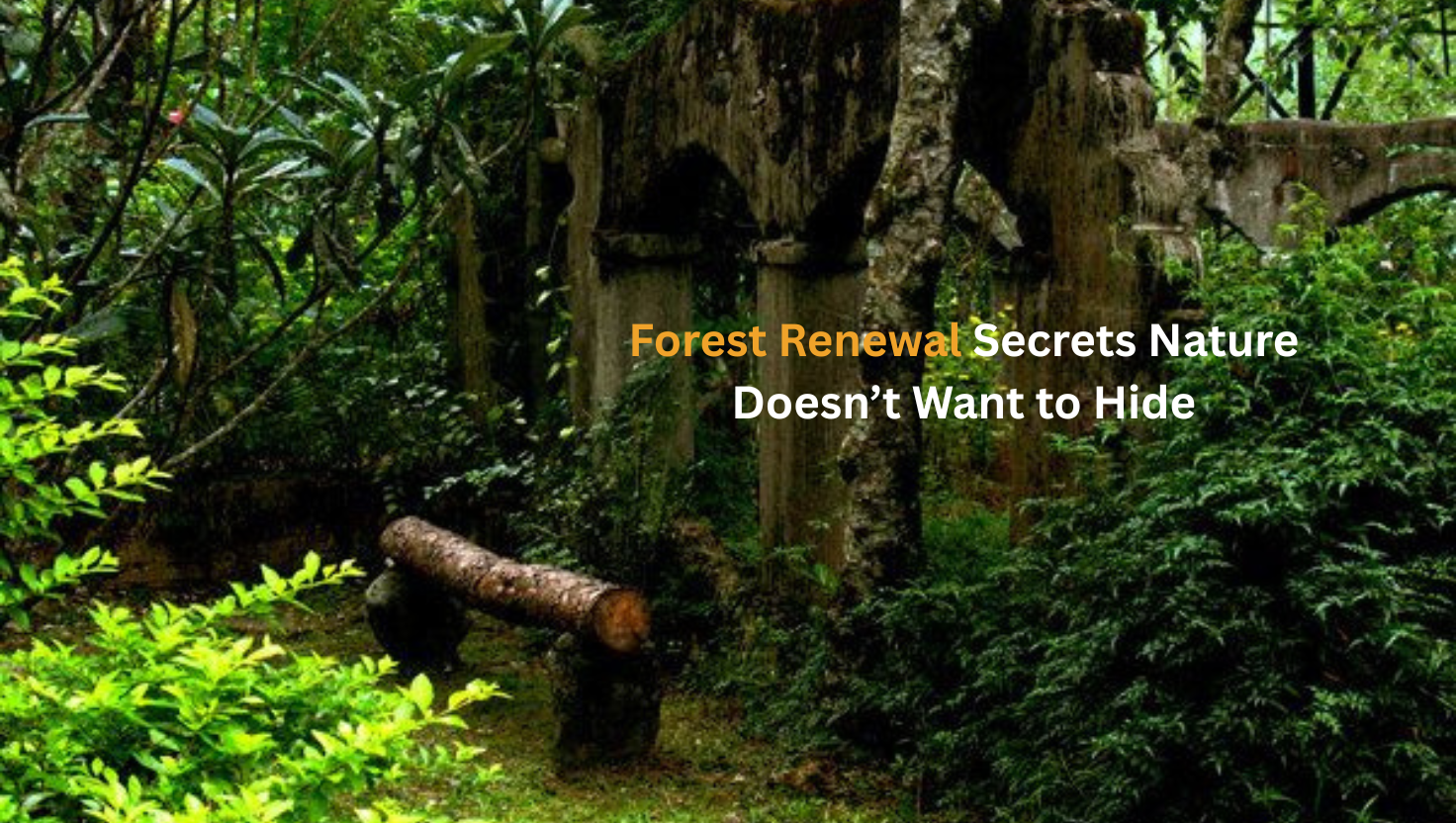
KenyaReport. is here to take you deep into the heart of nature’s most fascinating process — forest renewal. The quiet magic that happens inside forests is something we often overlook, but it’s one of the most important cycles that keeps our planet healthy, our air clean, and our ecosystems thriving. Forest renewal is not just about planting trees — it’s a powerful process of regeneration, balance, and survival that has been happening long before humans ever existed. This article will reveal the secrets of how forests renew themselves, why it matters more than ever in 2025, and how you can play a part in protecting these life-giving ecosystems.
The Silent Power of Forest Renewal
Forests are often described as the lungs of the Earth, and for good reason. Every single leaf, root, and branch plays a role in purifying the air, providing shelter for wildlife, and keeping the climate stable. Forest renewal ensures that these ecosystems don’t just survive — they thrive.
Natural Cycles That Keep Forests Alive
Forest renewal begins with the most basic natural cycles: seed dispersal, germination, and growth. Fallen trees decompose and provide nutrients for new life. Seeds are carried by wind, water, and animals to places where they can sprout. Over time, a once-barren patch of land becomes a lush canopy of green.
How Animals Play a Role in Renewal
From elephants knocking down old trees to birds spreading seeds, wildlife plays a crucial part in forest regeneration. Without them, many tree species would never reach the places they need to grow. This partnership between flora and fauna has been evolving for millions of years — a living collaboration that sustains life.
Human Influence: Good and Bad
While nature has always had its own renewal mechanisms, human activity has dramatically sped up or slowed down these cycles in certain regions.
Deforestation and Its Effects
Logging, agriculture, and urban expansion have caused many forests to lose their ability to renew naturally. When too many trees are removed, the soil becomes weak, biodiversity drops, and recovery takes decades — if it happens at all.
Reforestation and Restoration Efforts
Thankfully, humans have also been at the center of incredible restoration projects. Reforestation efforts, such as tree planting campaigns in Africa, South America, and Asia, have successfully brought life back to areas that were once considered dead zones.
The Science Behind Forest Renewal
Researchers have studied how forests regenerate, and the findings are fascinating.
Soil as the Foundation
Healthy soil is the starting point. It’s rich with microorganisms that recycle nutrients, break down organic matter, and make it possible for seeds to sprout.
Water and Sunlight Balance
Rainfall patterns and sunlight exposure determine which tree species dominate. This natural balance creates a diverse forest where each plant plays a unique role.
Natural Disturbances That Help Renewal
Interestingly, not all disturbances are bad. Fires, storms, and floods can clear old vegetation and make room for new growth. Controlled burns, for example, are used in many countries to help forests renew themselves faster.
The Role of Technology in 2025
Technology is helping us monitor and accelerate forest renewal like never before.
Drones and Satellite Imaging
Scientists now use drones and satellites to track forest health, detect illegal logging, and plan restoration projects with incredible precision.
AI-Powered Forest Management
Artificial intelligence models can predict where reforestation will be most effective, which species to plant, and how to reduce the risks of wildfires.
Why Forest Renewal Matters to You
Forest renewal isn’t just an environmental issue — it’s a personal one.
Cleaner Air and Water
Every tree you see is quietly filtering pollutants, storing carbon, and releasing oxygen. Forests also act as natural water filters, keeping rivers and streams clean.
Economic Benefits
Forests support industries like timber, medicine, tourism, and food production. When they thrive, so do local economies.
Climate Stability
A well-renewed forest absorbs massive amounts of carbon dioxide, helping slow climate change and protect future generations.
How You Can Help Forest Renewal
Even if you live far from a forest, your actions can have a big impact.
Plant Trees in Your Community
Tree-planting drives, urban gardens, and community parks are excellent ways to contribute.
Support Forest-Friendly Products
Look for certifications like FSC (Forest Stewardship Council) on paper, wood, and other products to ensure they come from responsibly managed forests.
Reduce Waste and Pollution
Less plastic, less pollution, and more recycling mean fewer threats to forests and wildlife.
Myths About Forest Renewal
There are many misconceptions about forest renewal that need clearing up.
Forests Renew Instantly After Being Cut
Reality: Full forest regeneration can take decades or even centuries, depending on the ecosystem.
Only Rural Areas Need Forests
Reality: Urban forests and green spaces are just as important for air quality and mental health.
Planting Any Tree Is Good
Reality: Planting non-native species can harm ecosystems. Native trees are always the best choice.
Future of Forest Renewal
Experts predict that the next decade will see massive advancements in restoration technology, funding, and awareness campaigns. Countries are pledging billions of dollars to restore degraded land, and communities are taking ownership of their green spaces.
FAQs
What is forest renewal?
Forest renewal is the natural process of regrowth and regeneration in forests through seed dispersal, soil enrichment, and tree succession.
Why is forest renewal important?
It maintains biodiversity, cleans the air, stabilizes the climate, and supports life on Earth.
Can humans speed up forest renewal?
Yes, through reforestation, afforestation, and sustainable management practices, we can accelerate natural cycles.
Do wildfires help forests renew?
In many ecosystems, yes. Fires clear dead vegetation and release nutrients back into the soil, making way for new growth.
How can I personally support forest renewal?
Plant trees, support sustainable forestry, donate to reforestation programs, and reduce your carbon footprint.
Conclusion
Forest renewal is one of nature’s greatest miracles — a quiet yet powerful process that keeps life on Earth in balance. As KenyaReport. shows, this is not just about trees; it’s about survival, health, and the future of our planet. By understanding how forests renew themselves and taking steps to support this process, we can ensure a greener, healthier world for generations to come. The next time you walk through a forest, remember — every leaf, every branch, and every seed is part of a story millions of years in the making.