

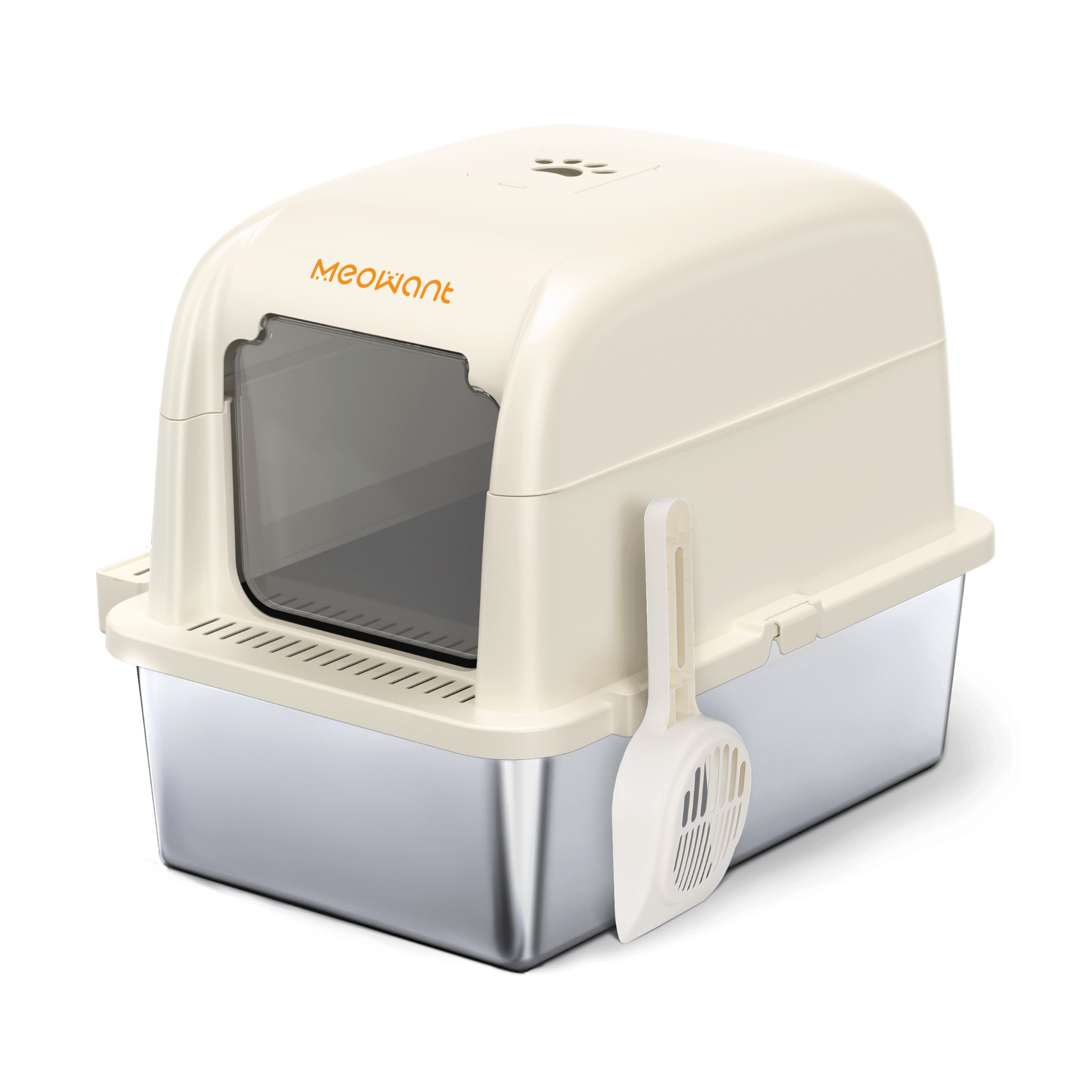
Most people buy a litter box the way they buy a phone case: a quick scan of reviews, a glance at the price, and a guess about what will work. Then the box arrives, the cat inspects it for ten seconds, and the real evaluation begins. Some cats adopt a new box immediately. Others pace around it, sniff the rim, and walk away as if something is obviously wrong. The difference rarely comes down to luck. It comes down to whether the box matches the animal using it.
Before you compare features or read another product description, it helps to ask a different set of questions — ones about your cat’s body, habits, and preferences. Those answers narrow the field faster than any star rating. The sections below walk through the questions that matter, the physical details that quietly shape daily comfort, and the maintenance realities worth understanding before you commit.
Begin With Your Cat, Not the Product Aisle
The most useful research happens at home, not in a store. Spend a week paying attention to how your cat uses the current setup. Does it step in carefully or leap over the rim? Does it dig to the bottom of the pan, or barely disturb the surface? A cat litter box that forces a nervous animal to balance on a narrow edge will be avoided no matter how many features it offers. The goal is to remove effort and uncertainty from a routine your cat repeats several times a day.
Size relative to the animal matters just as much. A box should give a cat room to turn around, squat without touching the walls, and scratch without launching litter over the side. Many standard pans are smaller than owners assume, especially for adult males and long-bodied breeds. If your cat hangs over the edge or stands with its rear outside the pan, the box is too small — regardless of what the label says.
Reading Your Cat’s Current Habits
Keep a simple mental log for a few days. Note when your cat eliminates, whether it scratches afterward, and whether it leaves quickly or lingers. Cats that bolt from the box are often reacting to texture, smell, or movement underfoot. Cats that dig aggressively may need deeper bedding and taller sides. If your cat eliminates just outside the box, treat that as a comment on the box itself — cleanliness, size, litter depth, or location — rather than as defiance. These small observations tell you more about the right design than a specification sheet ever will.
Matching Box Style to Temperament
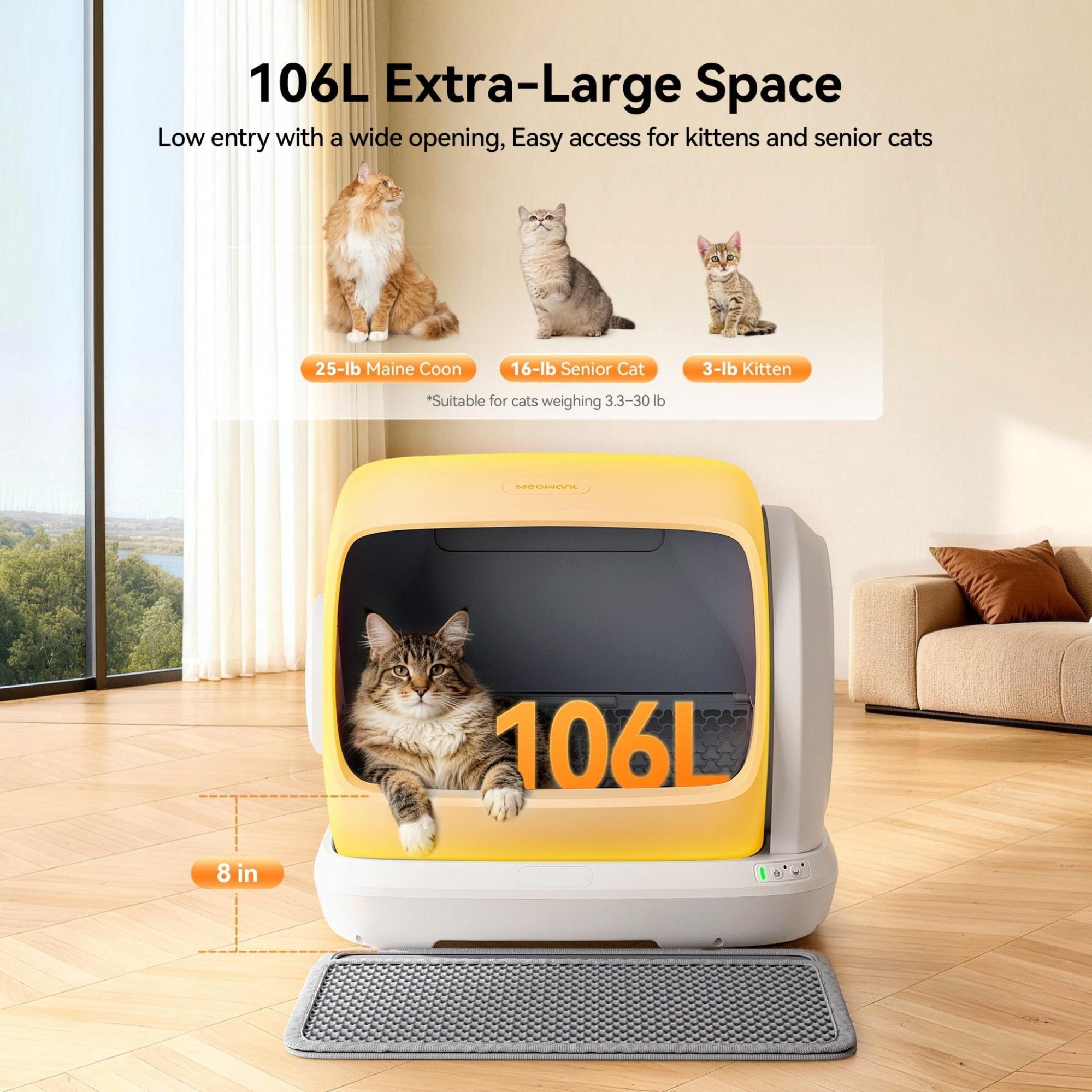
Temperament decides how much enclosure a cat tolerates. Shy cats often relax in a covered box because it offers privacy and blocks movement from the room. Confident cats may prefer an open pan with a clear view of their surroundings. Seniors and cats with joint pain do better with a low entry and a wide stance. Kittens need shallow sides they can climb over without a struggle. When you are unsure, choose the design that asks less of the cat. A litter box is not a place for training exercises.
The Details That Decide Daily Comfort
Comfort sounds vague, but it comes from measurable details. Height, depth, surface texture, and clearance all influence whether a cat uses a box willingly. None of these things can be judged from a photo, so it pays to think about them before the box is in your home and your cat has already formed an opinion.
Size and Entry
Measure your cat from nose to the base of the tail, then add a few inches. The interior should be at least one and a half times the cat’s body length so it can turn without contorting. Entry height is the next consideration: a low doorway suits older cats, while a slightly higher threshold keeps litter inside for enthusiastic diggers. Top-entry designs can work well for agile cats, but they demand a jump every time and are a poor fit for seniors or cats with limited mobility. Clearance above the head matters if the box is covered; a cat should be able to stand and turn without its back brushing the roof.

Litter Depth and Surface
Most cats prefer two to three inches of litter, deep enough to dig and cover without reaching the bare floor. Diggers often want more, and a taller pan makes that possible. Surface texture is equally personal: some cats accept fine clumping clay, others refuse anything that feels sharp or dusty underfoot, and a few do best with pellets or plant-based options. Introduce changes gradually by mixing the old litter with the new over a week or two. Sudden swaps are one of the most common reasons a previously reliable box suddenly gets ignored.
Maintenance Questions Worth Asking Early
Every box has a maintenance bill, and it is usually paid in small daily installments. Ask yourself how long a full clean will take, how many pieces must be removed, and whether you can reach the corners without a brush on a stick. Smooth interior surfaces and rounded edges make a real difference over years of use. So does material quality: porous plastic holds odors long after the surface looks clean. Check whether replacement filters, liners, or parts are easy to find, because a box with proprietary accessories becomes a liability once production changes.
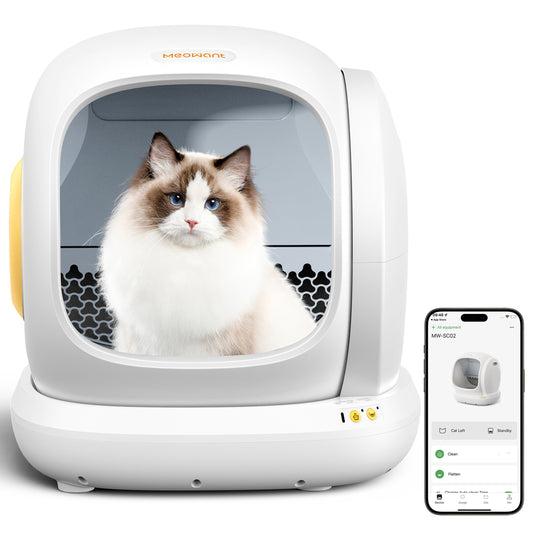
Automated boxes shift the work rather than erase it. They handle scooping cycles, but they still need emptying, occasional deep cleaning, and attention when sensors misfire. If your cat is startled by noise or motion, a motorized unit may create more problems than it solves. For households that travel or work long hours, the trade-off can be worthwhile — provided the mechanism is reliable and the waste drawer is simple to remove. Well-designed options, such as much of the Meowant range, tend to focus on smooth interior surfaces and waste drawers that empty without wrestling the whole unit out of the corner.
Finally, consider the room itself. A box near a noisy appliance or in a dead-end corner creates stress even when the box is ideal. Choose a quiet, accessible spot with an escape route, and give your cat time to adjust before judging the purchase. The best box is the one your cat uses without drama and you can maintain without resentment.
A Better Box Starts With Better Questions
The right questions are simpler than the market suggests. Does the box fit your cat’s body and movement style? Can you clean it in a few minutes without dread? Does it sit somewhere quiet, accessible, and easy to reach? If the answer to all three is yes, most of the features being marketed become secondary. Cats care about space, texture, privacy, and predictability — not about the label on the pan.
Take a week to observe, a few minutes to measure, and a little care when introducing anything new. That modest preparation prevents the most common outcome of litter box shopping: a purchase that looks fine on paper but sits unused in a corner while your cat finds somewhere else to go. When the box respects the animal’s habits, the routine quietly takes care of itself.
