

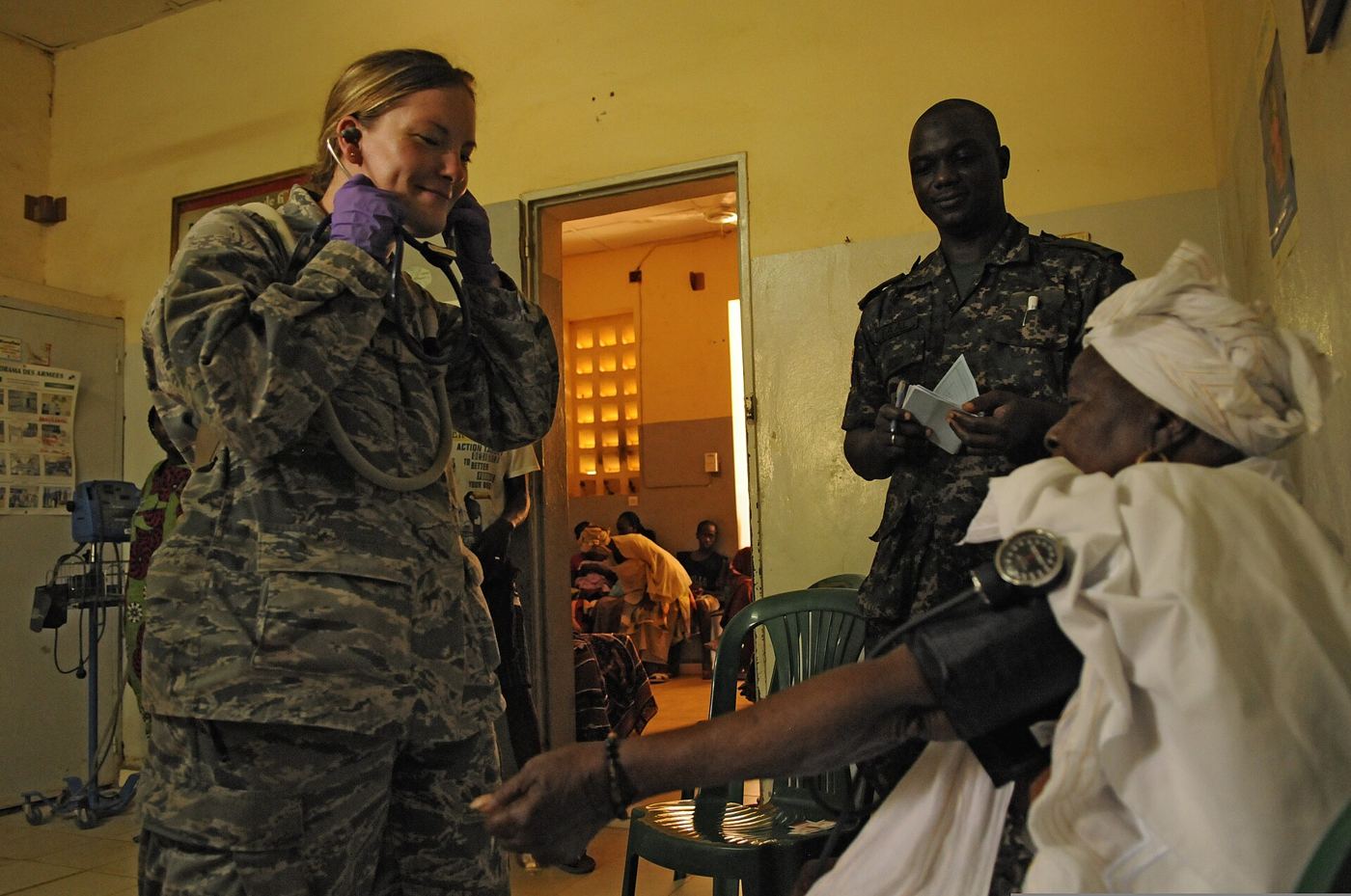
Nurses are encouraging more adults to keep a simple home blood pressure diary between clinic visits, giving a fuller picture than a single reading taken in a surgery. Blood pressure naturally varies through the day and can rise in medical settings, a response often called the white coat effect. A week of calm readings at home, taken at similar times with a validated monitor, helps clinicians see the usual pattern and make better decisions about treatment. Nurses stress that technique matters: sitting quietly first, supporting the arm at heart level and using the correct cuff size all make the numbers more trustworthy and comparable over time. Nurses also show patients how to find their pulse while the cuff inflates, explain what the two numbers in each reading mean, and discuss which results should prompt a call to the clinic. It is a small habit with a surprisingly wide range of benefits.
What the Evidence Shows
Patients are usually asked to take two readings a minute or so apart, morning and evening, and to write down both rather than selecting the lower one. Bringing the diary, and the monitor itself, to appointments lets staff check the device and discuss the pattern together. A diary can also show how changes such as walking more, cutting salt or taking medicines consistently are affecting readings over weeks. Anyone who records a very high reading, or feels unwell, should seek advice promptly rather than waiting for a routine review. Used well, home monitoring turns patients into active partners in managing a condition that often has no symptoms. For many people the diary quickly becomes reassuring, replacing guesswork about their health with clear evidence they can see improving, and making conversations at review appointments far more focused and productive. That partnership tends to produce steadier readings and better long-term control. Reporting and analysis from sources such as The Lancet track the same developments, and specialists following home blood pressure diaries say the direction is now consistent across independent lines of evidence.
The Wider Context
Equity runs through every discussion of home blood pressure diaries. Interventions that require apps, fees or free weekday afternoons reliably reach the people who need them least, so the programmes earning praise are those designed around clinics, workplaces and community venues that already serve everyone. Evaluation reports now publish uptake by income and region as a matter of routine.
What Happens Next
The practical takeaway on home blood pressure diaries is deliberately unglamorous: it works best as part of ordinary, well-delivered care rather than as a standalone fix. Health services are planning on that basis, building the referral routes and follow-up that turn a promising result into population benefit. The gains arrive slowly and then, in the statistics, unmistakably. You can follow related developments in our coverage of health.
It is also worth remembering how quickly the picture in this area has changed before. Positions that looked settled a few years ago have been revised as new data arrived, and the same humility is appropriate now. The strongest coverage of this subject, and the most useful advice, tends to come from sources that update their views openly when the facts move, rather than defending an earlier position long after it has stopped fitting the evidence available.
