

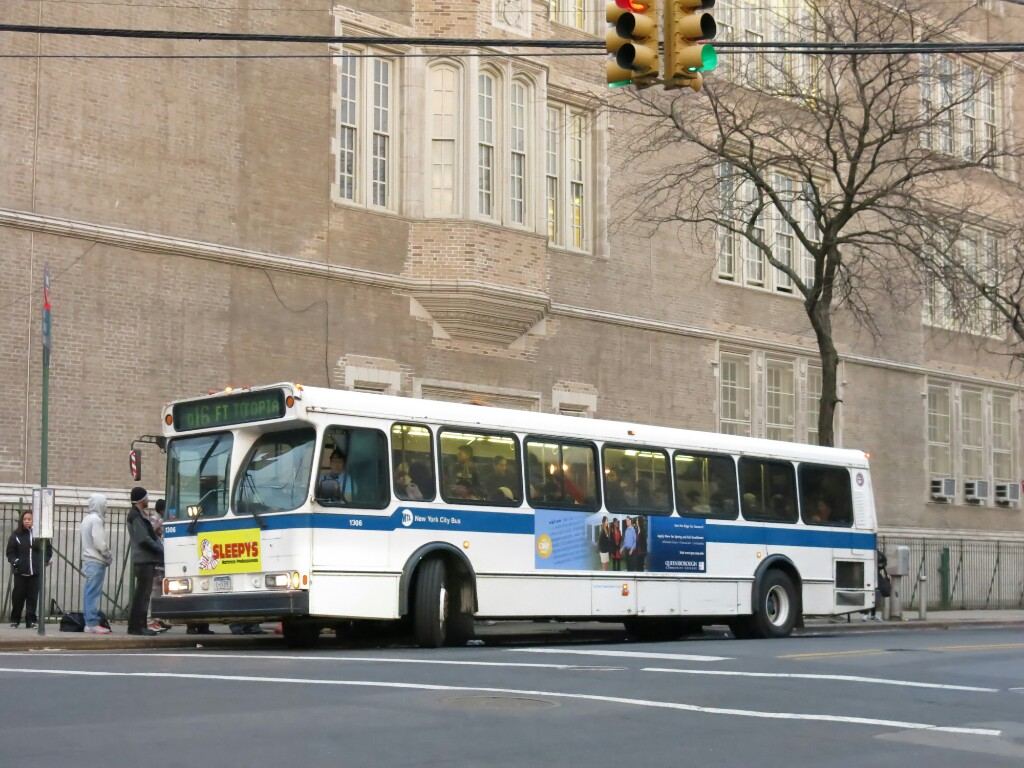
City buses on two busy routes are testing boarding through all doors, a change operators say could cut the time spent at each stop and keep services running closer to schedule. Under the trial, passengers with passes and contactless cards can board at the centre and rear doors, while drivers continue to help people who pay individually or need assistance at the front. Inspectors are riding the routes to check tickets and explain the system, because operators accept that trust-based boarding fails quickly if checks are rare or inconsistent. The biggest gains are expected at stops near stations, colleges and hospitals, where large groups boarding single file often hold a bus for a full minute or more. Passengers with wheelchairs and pushchairs keep priority at the front ramp, and announcements explain the layout before each major stop. Early reactions suggest travellers like the faster boarding once they understand where to stand.
What the Evidence Shows
Engineers are comparing stop times before and during the trial on matched days, since weather and events can distort a single week’s figures. Specialists following rear-door bus boarding trial say clear floor markings and consistent rules across routes decide whether passengers adopt the habit. Transport staff are also watching whether faster boarding reduces the bunching that leaves two buses arriving together after a quiet gap. Disability groups have asked to be part of the formal review before any wider rollout. If the results hold, more routes could join next year. Ticket inspectors say most passengers have responded well to checks, understanding that visible inspection is what makes faster boarding fair for everyone. The trial routes were chosen because their stops and passenger numbers make the results easy to compare with previous years. Operators have promised to publish the findings, including any downsides, rather than announcing a decision first. Reporting and analysis from sources such as Reuters track the same developments, and specialists following rear-door bus boarding trial say the direction is now consistent across independent lines of evidence.
The Wider Context
The wider context is a public conversation conducted at a speed institutions were not built for. Developments around rear-door bus boarding trial are announced, contested and revised within a single news cycle, and the officials involved have learned to publish evidence alongside claims so that scrutiny can actually occur. Trust, the polling suggests, follows that transparency more than it follows confidence.
What Happens Next
What happens next in the story of rear-door bus boarding trial will be decided in the places where it is being implemented, measured and argued about in public. The officials and organisations involved have committed to publishing progress data, and that commitment gives residents, businesses and journalists something firmer than promises to judge. The next milestones are dated, which means they can be checked. You can follow related developments in our coverage of news.
There is a practical lesson in all of this for readers deciding what to do today. Start with the verified facts, be wary of anyone promising certainty, and prefer reversible steps while the evidence is still developing. Circumstances differ by country, income and personal situation, so general guidance should always be weighed against your own context before you act on it in any significant or lasting way.
