

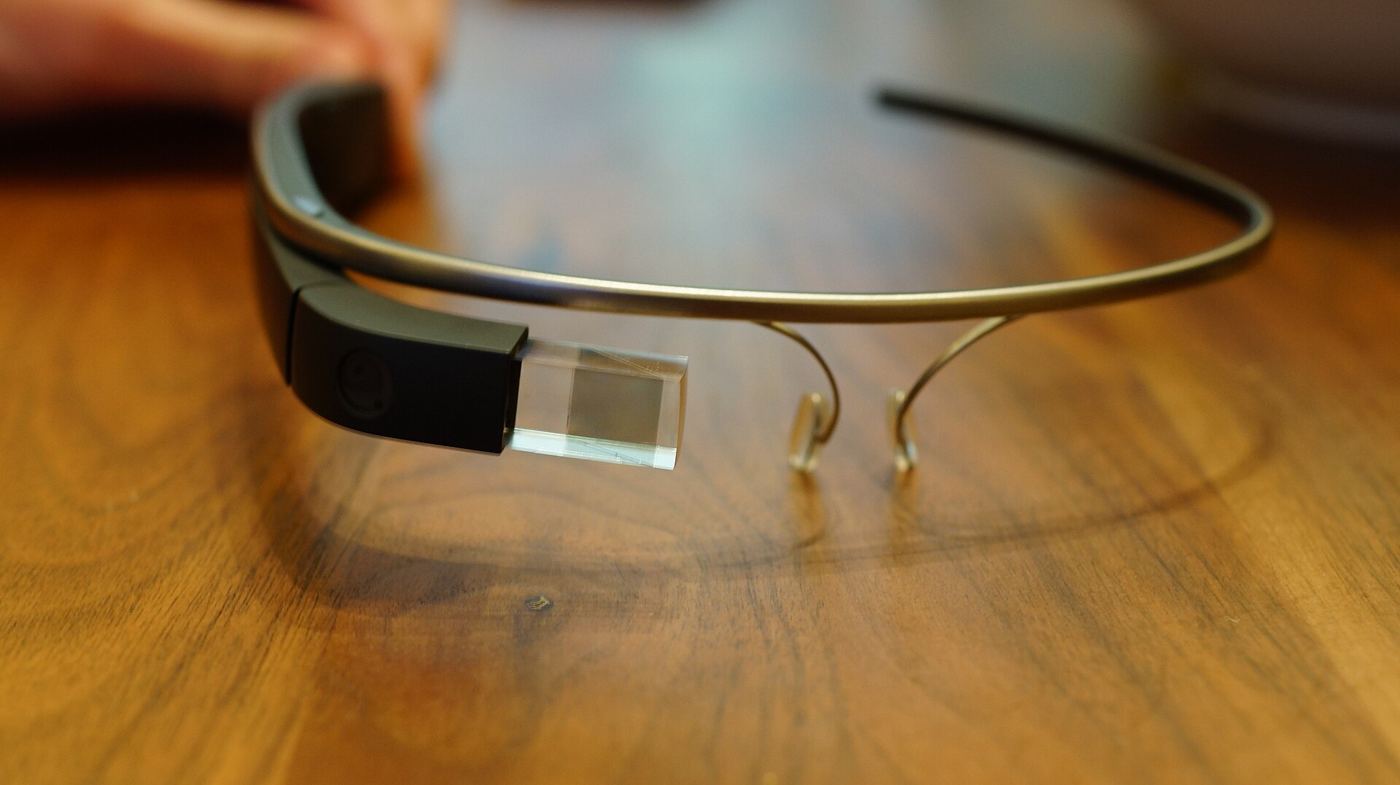
For many people, the biggest barrier to smart glasses is simple: they already wear glasses all day, and they are not willing to choose between clear vision and useful technology. Manufacturers are responding by building prescription lenses directly into smarter frames, offering regular eye tests, fittings and adjustments through opticians rather than treating the product as a phone accessory. That shift changes how the devices are sold and supported, placing them in the world of eyewear first and electronics second. Comfort, weight distribution and how the frames look during a normal working day matter enormously to buyers who will wear them from morning to evening. Children and teenagers remain a special case, with specialists urging caution, proper screening and parental involvement before younger wearers use display equipped frames regularly.
What the Evidence Shows
Integrating lenses adds complexity, because prescriptions change, frames must fit different faces, and repairs require coordination between optical and technical services. Prices can rise quickly once lenses, coatings and the electronic components are combined, so clear information about replacement costs matters. Opticians see an opportunity to advise customers on screen use, eye strain and fit in the same appointment, broadening their role as everyday eyewear becomes more capable. Designers are also offering more frame styles, recognising that people will not wear a device that feels like a costume. If smart glasses are to become ordinary, this unglamorous work of fitting them properly may matter as much as any new feature. High street opticians are beginning to stock demonstration pairs, allowing curious customers to compare weight, fit and display clarity before committing to a purchase. Reporting and analysis from sources such as IEEE Spectrum track the same developments, and specialists following prescription lenses in smart glasses say the direction is now consistent across independent lines of evidence.
The Wider Context
Adoption of prescription lenses in smart glasses follows a familiar pattern with an unfamiliar speed. Early users tolerate rough edges in exchange for advantage, mainstream users arrive when the tool disappears into existing workflows, and the market consolidates around whoever made that transition feel effortless. Vendors are racing less on raw performance now than on integration, support and trust.
What Happens Next
The realistic forecast for prescription lenses in smart glasses is steady integration rather than sudden replacement: embedded in products people already use, improving in increments, and regulated in proportion to its reach. The companies and institutions that plan on that basis, training staff and redesigning processes instead of chasing launches, are the ones the adoption data tends to vindicate. You can follow related developments in our coverage of technology.
It is also worth remembering how quickly the picture in this area has changed before. Positions that looked settled a few years ago have been revised as new data arrived, and the same humility is appropriate now. The strongest coverage of this subject, and the most useful advice, tends to come from sources that update their views openly when the facts move, rather than defending an earlier position long after it has stopped fitting the evidence available.
