

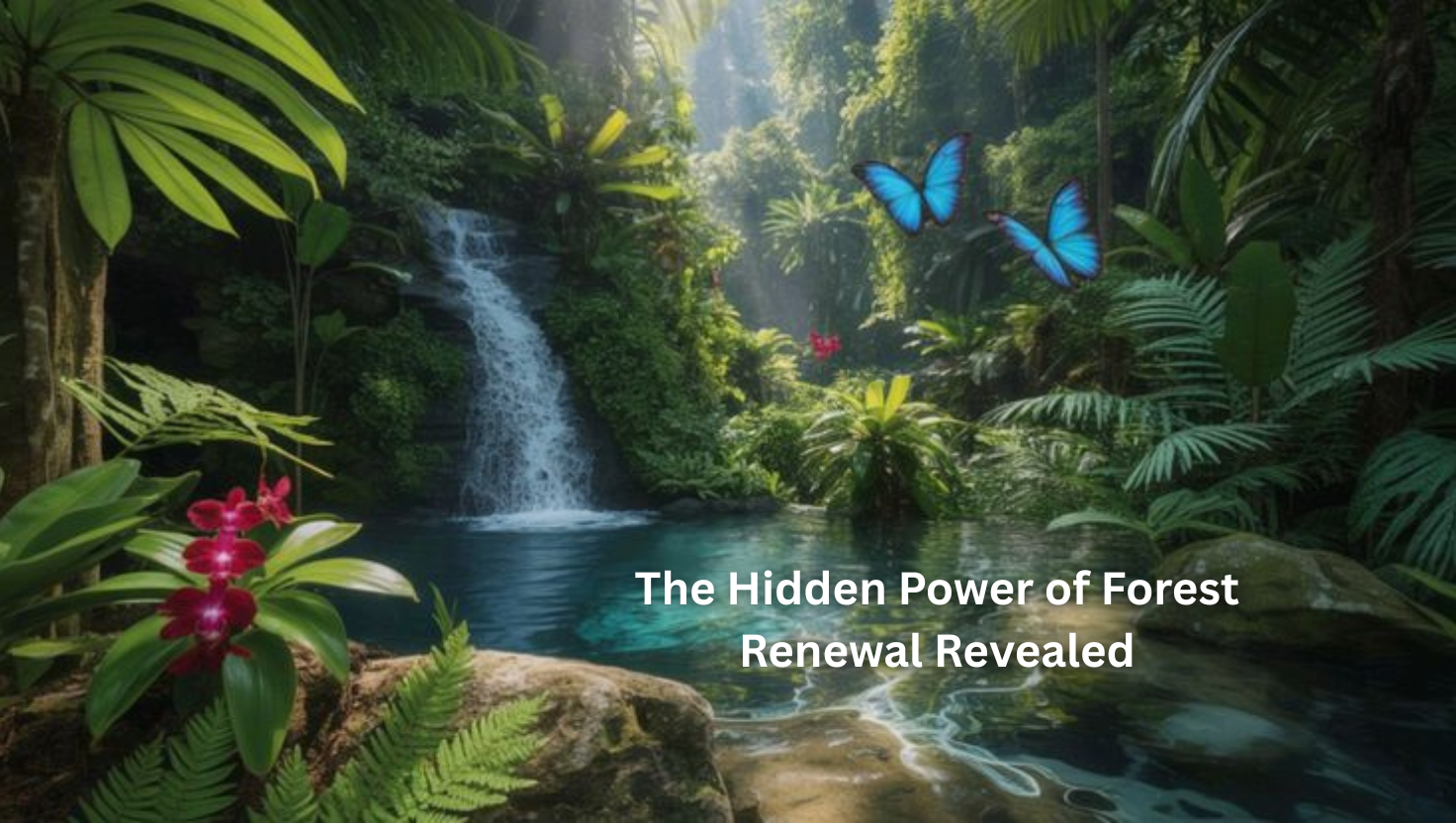
KenyaReport. is here to uncover the hidden forces that keep our planet alive — the incredible power of forest renewal. Forests are not just beautiful landscapes; they are living systems that breathe life into the Earth, purify our air, stabilize our climate, and shelter millions of species. But few people know the secret processes that allow forests to recover, rebuild, and renew themselves even after massive destruction. This guide takes you inside the science, the mystery, and the hope of forest renewal in a way that will change the way you look at nature forever.
Why Forest Renewal Is a Global Priority
Forests cover almost one-third of the planet’s surface, but their importance is far greater than their size suggests.
The Lifeblood of the Earth
Forests act as the lungs of the Earth, absorbing carbon dioxide and releasing the oxygen we breathe. Without forests, life as we know it could not exist.
The Urgency of 2025
Deforestation, climate change, and industrial expansion have put forests at risk. Renewal is no longer a slow, natural process we can take for granted — it is a global priority that needs immediate attention.
The Secret Science Behind Forest Renewal
Forest renewal is both simple and complex — a process that has been happening for millions of years, but still fascinates scientists today.
The Role of Seeds and Soil
Seeds are nature’s messengers, carried by wind, water, and animals to places where they can sprout new life. Soil, rich with nutrients and microorganisms, acts as the foundation that makes renewal possible.
The Importance of Natural Disturbances
Surprisingly, events like wildfires, storms, and floods can accelerate renewal. They clear out old growth, recycle nutrients, and create space for new life to thrive.
Animal Partnerships in Renewal
Birds, insects, and mammals help spread seeds across large distances. Without them, many tree species would never regenerate. This partnership between flora and fauna ensures a balanced and diverse forest.
Human Influence: The Good, the Bad, and the Transformative
Humans have played a double-edged role in the story of forest renewal.
The Damage We Have Done
Logging, agriculture, and urban development have cleared millions of acres of forest. The result is soil degradation, loss of biodiversity, and disrupted weather patterns.
How We Are Helping Today
The tide is turning with global reforestation campaigns, community-led planting drives, and sustainable forestry practices. Countries are making pledges to restore degraded land, and technology is helping turn those promises into reality.
Technology and Innovation in Forest Restoration
Modern science is unlocking new ways to speed up forest renewal and track progress more accurately.
Drones and Seed Bombing
Drones can plant thousands of seeds in a fraction of the time it would take humans. This method is especially useful for areas that are difficult to access.
AI and Big Data
Artificial intelligence is being used to map deforested regions, predict fire risks, and plan which species should be planted to restore natural balance.
Satellite Monitoring
Satellites give conservationists a bird’s-eye view of forest health, allowing quick action when illegal logging or degradation is detected.
The Benefits of Global Forest Renewal
Forest renewal is not just about saving trees — it affects every aspect of human life.
Clean Air and Water
Forests act as giant filters, cleaning the air and providing fresh water to billions of people.
Climate Protection
Renewed forests absorb carbon dioxide, helping slow global warming and reduce the effects of climate change.
Economic and Cultural Value
Forests provide timber, medicine, tourism opportunities, and cultural identity for indigenous communities. When we invest in renewal, we invest in both nature and people.
Challenges Standing in the Way
Even with technology and global awareness, forest renewal faces challenges.
Funding and Political Will
Many reforestation programs struggle with insufficient funding or lack of government support.
Climate Change Pressure
Unpredictable weather, longer droughts, and stronger storms can make it harder for new forests to survive.
Invasive Species
Planting non-native species can harm ecosystems, so careful planning is needed to ensure healthy regrowth.
The Global Movement for Renewal
Around the world, movements are emerging to protect and restore forests on an unprecedented scale.
Community-Led Efforts
Local villages and indigenous groups are taking charge, planting trees, and guarding forests against illegal logging.
International Collaboration
Programs like the Bonn Challenge and the UN Decade on Ecosystem Restoration are uniting governments, corporations, and nonprofits to restore millions of hectares of land.
Youth Activism
Young people are becoming the loudest voices calling for reforestation, climate justice, and a greener future.
Myths and Misconceptions About Forest Renewal
There are several myths about forest renewal that need to be debunked.
Myth 1: Planting Any Tree Is Good
Reality: Planting non-native species can harm ecosystems. The right tree in the right place is what makes renewal effective.
Myth 2: Nature Will Fix Itself
Reality: Human activity has altered landscapes so much that active restoration is often necessary to jumpstart recovery.
Myth 3: Forest Renewal Is Only About Climate Change
Reality: Forests affect water cycles, soil fertility, and even mental health. Their renewal impacts every aspect of life.
FAQs
What is forest renewal?
Forest renewal is the natural and human-assisted process of restoring forests through seed dispersal, regrowth, and ecosystem recovery.
Why does forest renewal matter?
It maintains biodiversity, stabilizes the climate, provides clean air and water, and supports millions of species, including humans.
Can technology really restore forests?
Yes, technology like drones, AI, and satellite imaging has revolutionized how fast and effectively forests can be renewed.
How long does it take for a forest to recover?
Depending on the region, natural forest regeneration can take decades or even centuries, which is why active intervention is often needed.
How can I help with forest renewal?
You can plant trees, support sustainable forestry initiatives, reduce your waste, and buy products with eco-friendly certifications.
Conclusion
The hidden power of forest renewal is a reminder that nature is resilient — but only if we give it the chance to heal. KenyaReport. shows us that this is more than just an environmental issue; it is a global mission that affects our air, our water, our food, and our future. By combining the wisdom of nature with the power of human innovation, we can ensure that forests continue to thrive for generations to come. The next time you walk under a canopy of trees, remember that you are standing inside one of the greatest survival stories on Earth — and you have the power to keep that story alive.